
The UK’s manufacturing leaders are voicing serious concerns over proposed business rates reforms from Chancellor Rachel Reeves, warning that up to 25,000 jobs could be at risk if the changes go ahead.
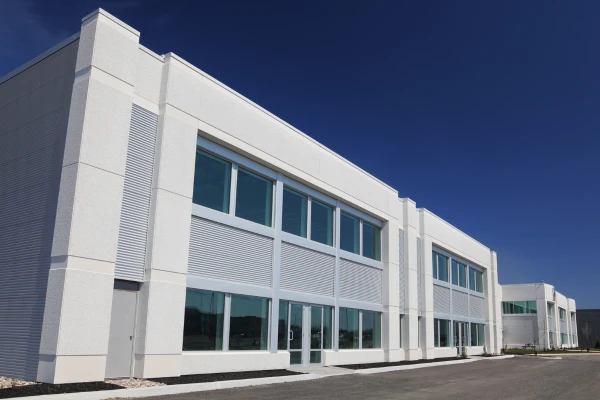
The proposals - designed to shift more of the burden from retail premises onto industrial properties - have sparked unease across the sector. Factory owners already dealing with record energy costs, supply chain disruption, and ongoing inflation say increased property liabilities could hit hardest in the very regions driving the UK’s industrial revival.
According to the trade body Make UK, which represents thousands of manufacturers, factories across the country will pay £939m more in business rates this year after tax changes that took effect this week. They warn the increased pressure on the sector coincides with other threats from rising energy prices and employment costs.
In a new analysis published yesterday, Make UK said many firms which are unable to raise their pricing, will look to cut workforces to balance the £1bn bill. Make UK estimates that would out some 25,000 jobs at risk of redundancy.
Britain’s manufacturing base has long been an anchor of economic resilience and regional growth. Yet reforms that fail to reflect the realities of industrial property use may undermine that stability. Business rates remain an essential revenue source for the Treasury, but without a balance between fiscal necessity and competitiveness, the UK risks deterring future investment in production and innovation.
At Dunlop Heywood, our experience supporting industrial occupiers shows that a nuanced approach is vital. The manufacturing landscape is diverse - what works for logistics parks may not work for foundries or engineering firms. Strategic review of your rating exposure, coupled with evidence-based appeals and forward planning, can ensure fairness and prevent avoidable financial pressures.
Business rates should reward productivity, not penalise it. That’s why we believe manufacturers must have a stronger voice in shaping a fairer, future-facing rating system - one that recognises the sector’s role in driving the country’s net zero, economic, and employment goals.
If your business could be impacted by forthcoming policy changes, now is the time to prepare. Our specialist team can review your exposure, advise on mitigation, and support you in engaging with policymakers and valuation processes.
Contact Dunlop Heywood’s Business Rates experts to arrange a no-obligation consultation.