
Delivering evidence-backed advice, technical expertise and collaborative solutions across evolving UK energy sectors.






We advise on a broad range of clean energy services and renewable energy solutions for investors, operators, and asset owners in the UK.
Our team brings deep technical expertise from chartered surveyors who hold the RICS Rating Diploma or are Members of the Institute of Quarrying.

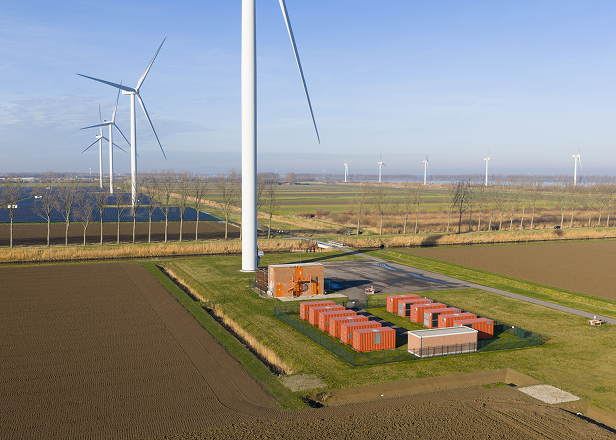
We work closely with clients to ensure the methodology we apply to each installation or generator is appropriate and robust. Through expertise and careful analysis, we help minimise risk and support confident decision-making.

Case studies
Working with Dunlop Heywood, Whitetower Energy settled outstanding appeals and realised significant savings.

We work collaboratively with clients and internal teams to achieve the best results. We’re open and transparent, and we take responsibility for our renewable energy advice. By challenging assumptions, applying innovative thinking and focusing on results, we deliver beyond expectations.

An Energy Performance Certificate (EPC) rates the energy efficiency of a building from A to G.
It is required when a commercial property is sold, let or constructed and provides recommendations for improving energy performance.
An EPC is valid for 10 years unless the property is significantly altered, in which case a new certificate may be required sooner.
MEES stands for Minimum Energy Efficiency Standards.
The regulations make it unlawful to let most commercial properties with an EPC rating below E unless an exemption is registered.
In most cases, no.
Landlords are generally prohibited from granting a new lease or continuing to let a substandard property unless improvement works are completed or a valid exemption is in place.
You may:
Early advice allows a strategy to be put in place before this becomes a problem.
Yes.
Energy efficiency standards are tightening over time as part of the UK’s carbon reduction targets. Properties that are compliant now may require improvement in the future.
An exemption allows a property to be legally let despite a low EPC rating in specific circumstances, such as when improvement works are not technically feasible or are not cost effective.
Exemptions must be registered and have limited duration.
Typical improvement measures include:
A surveyor can advise on the most effective measures for your property.
An energy assessment reviews the building’s construction, services and usage to identify efficiency improvements and compliance risks.
Sometimes.
Responsibility depends on lease wording and repair obligations. Advice is often needed to determine whether works fall to the landlord or tenant.
A Net Zero strategy is a plan to reduce and offset a property’s carbon emissions to meet environmental targets and investor expectations.
Banks and investors increasingly view poor energy performance as a financial risk because non compliant buildings can be harder to let, sell or refinance.
Renewable energy refers to on site generation such as solar photovoltaic panels, battery storage or other low carbon technologies that reduce energy consumption and operating costs.
In many cases yes, but considerations include:
Professional advice ensures the installation is viable and legally compliant.
Often rooftop installations fall within permitted development rights, but this depends on building type, location and conservation constraints. Each property should be assessed individually.
It depends on how the lease is structured and how electricity is supplied.
A properly structured arrangement can benefit both parties through lower running costs and improved building attractiveness.
Increasingly yes.
Buildings with strong energy performance are more attractive to occupiers and investors and are generally considered lower risk assets.
A green lease includes clauses encouraging cooperation between landlord and tenant to improve environmental performance and reduce energy consumption.
Yes.
Energy works affect compliance, leases, building fabric and value. Proper advice ensures works are cost effective and legally compliant.
Energy regulation is tightening and improvement works often take time to plan and implement. Early action avoids letting restrictions, reduces risk and protects long term value.