
Business rates are once again high on the political agenda, with growing calls for reform as businesses continue to grapple with rising operating costs and uncertainty over their property liabilities.
From targeted support for pubs and live music venues to proposals for wider high street relief, recent announcements from Prime Minister Andy Burnham have raised expectations that the Government could take further action in the Autumn Budget on 28 October. For businesses, however, the key question is not simply what the Government might announce, but what they are paying now, what they may pay in the coming years and whether their current business rates liability is correct.
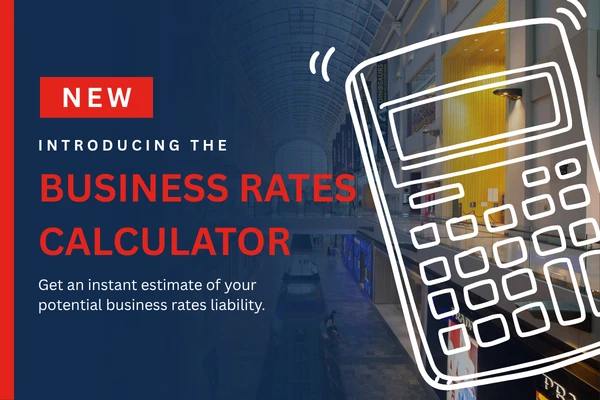
At Dunlop Heywood, we believe understanding your business rates position is an important first step towards managing property costs effectively. Our new online Business Rates Calculator makes it easier to estimate potential liabilities and identify where a closer look may be worthwhile.
Business rates reform: what could the Autumn Budget bring?
Business rates have become a significant concern for many property occupiers, particularly those operating in sectors where margins are under pressure. The Government has already introduced changes to business rates following the April 2026 revaluation, including lower multipliers for retail, hospitality and leisure properties, alongside transitional arrangements intended to limit some increases in bills.
However, the impact of these changes varies between properties. For some businesses, changes in Rateable Values (RV) have meant that lower multipliers have not been enough to offset increases in their overall liability. Hospitality businesses have been particularly vocal about the impact of business rates on their ability to invest, employ staff and remain viable.
In July, the Government also announced an additional 20% reduction in business rates bills for pubs, social clubs and live music venues in England from April 2027. This follows existing support for eligible pubs and live music venues during 2026/27.
Meanwhile, a review of business rates valuations for pubs and hotels has been announced, with the aim of making the system fairer ahead of the next revaluation in 2029. These measures represent recognition of the pressures facing the sector, but questions remain about the wider business rates system and whether further support could be extended to other high street businesses.
With the Autumn Budget fast approaching, businesses will be watching closely for announcements on Small Business Rates Relief, eligibility for targeted support and any further changes to the way commercial property is taxed. Until the details are confirmed, it is important not to base financial decisions on anticipated reliefs or proposed reforms.
Why business rates remain a concern for businesses
Business rates are calculated using a property's RV and the relevant multiplier, with applicable reliefs and other adjustments influencing the final amount payable.
Although the underlying calculation may appear straightforward, establishing the correct liability can be more complicated. RVs can change following revaluations, while transitional arrangements may affect how quickly increases are reflected in bills. Reliefs can also depend on the property's use, its location and the circumstances of the ratepayer. For businesses operating from multiple premises, these variables can make it difficult to build an accurate picture of total property costs.
That’s why businesses should take the time to understand their current position rather than assume that a change in policy will automatically reduce their bill.
Check your business rates with the new online calculator
To help businesses gain a clearer understanding of their potential liabilities, Dunlop Heywood has launched a new online Business Rates Calculator.
The free tool provides an instant estimate of potential business rates liabilities for the 2026/27, 2027/28 and 2028/29 financial years, offering a practical starting point for businesses looking to review their costs and plan ahead. Note - the current calculator does not reflect the proposed additional 20% relief for 2027/28 as we await the relevant Government regulations. This should be confirmed in March 2027.
At Dunlop Heywood, we combine specialist business rates expertise with practical tools to help businesses understand their property costs. Start by checking your potential liability with our free Business Rates Calculator. If the results raise questions, our team can help you establish the complete picture: info@dunlopheywood.com.